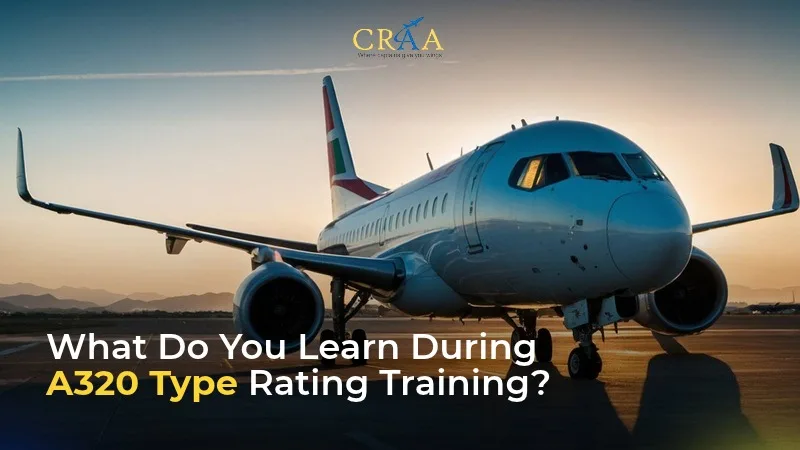
What Do You Learn During A320 Type Rating Training?
Type rating training for an A320 is meant to equip competent pilots to fly the Airbus 320 series in a safe and proficient manner. Classroom learning, simulator sessions, procedures, and assessments to help pilots understand the aircraft and develop the skills required for line operations.
Pilots interested in Type Rating Courses can gain knowledge of the subjects covered through such training to help them get prepared for the programme.
What Subjects are Covered in A320 Training?
There are many topics covered during A320 training that involve aircraft systems, procedures, operations and performance of the aircraft. The pilots are made aware of how the aircraft works and what should be done under normal and abnormal conditions.
The major topics usually include:
- Aircraft systems and components
- Flight controls and avionics
- Electrical, hydraulic and fuel systems
- Aircraft performance
- Normal operating procedures
- Abnormal and emergency procedures
- Flight management and navigation
- SOPs and crew coordination
The specific syllabus will vary from one training institution to another.
Understanding the Airbus 320
One of the most important aspects of the programme is learning about the Airbus 320 and its operational concept. Pilots learn about the cockpit configuration, aircraft control system, automation, warning systems and operational procedures of the Airbus 320.
In addition, the course includes knowledge of the Flight Management System and cockpit technologies used by pilots.
Flight Simulator Training
Flight simulator training is one of the practical components of the A320 type rating training programme. In a full-flight simulator pilots get a chance to train aircraft operations without any danger connected with the real flights.
Pilots can practice such things as take-off, approach and landing, instrument operations, aircraft systems malfunctions, unusual situations and emergencies.
This is when flight simulator training in India may prove to be useful for pilots because they will have an opportunity to gain structured and supervised practical experience.
In addition, simulator training gives pilots a chance to experience situations which may be difficult or unsafe to recreate during normal flight.
What Are the Requirements for A320 Type Rating?
Requirements may differ depending on pilot’s licence, regulatory authority, training organization and the programme concerned. The candidates should check the current eligibility criteria.
Generally, the applicants are expected to have a pilot licence and be eligible according to the medical and regulatory criteria. The training organization may set additional requirements related to flying experience and documentation as well as exam results.
The pilots are supposed to verify all the eligibility requirements with the training organization before starting the programme.
Assessment and Skills Development
In addition to acquiring knowledge about aircraft systems, pilots undergo an assessment in relation to their ability to use the knowledge and follow procedures during practical training.
Simulator sessions involve normal as well as abnormal and emergency situations. Pilots get practice in workload management, effective communication, check-list usage and multi-crew performance. The other component of airline-oriented training is the Crew Resource Management (CRM).
Why Is A320 Type Rating Important?
Type rating is an indicator of successful completion of the training and assessment of the pilot to perform a specified type of aircraft, in accordance with relevant aviation regulations.
For pilots who wish to move towards becoming airline pilots, A320 training may be an opportunity to acquire focused knowledge on one of the most popular aircraft types in commercial passenger services.
Nevertheless, having completed a type rating is just one step in the aviation career, and pilots will still need to maintain their licenses, qualifications, medical fitness, and other competencies.
Preparing for Your A320 Course
A320 Type Rating Course involves technical learning, simulator training, procedures, and assessments. Individuals who are planning to do Type Rating courses must be well aware of the whole course and its eligibility criteria. Proper selection of a suitable approved training organization will assist you in going for the course confidently.
FAQs
1. Which topics are studied during A320 training?
Typical topics in A320 training may include aircraft systems, flight controls, avionics, performance, normal procedures, abnormal and emergency procedures, navigation, automation, and crew coordination.
2. What are the requirements to get A320 type rating?
The requirements vary depending on the aviation authority and training provider. Candidates should check whether they meet all the requirements such as license, medical certificate, and documents, among others.
3. Can new pilots take A320 type rating training?
Eligibility will depend on the license, qualification, medical fitness of the pilot and aviation regulations. The potential candidate must confirm the above from the training organization.