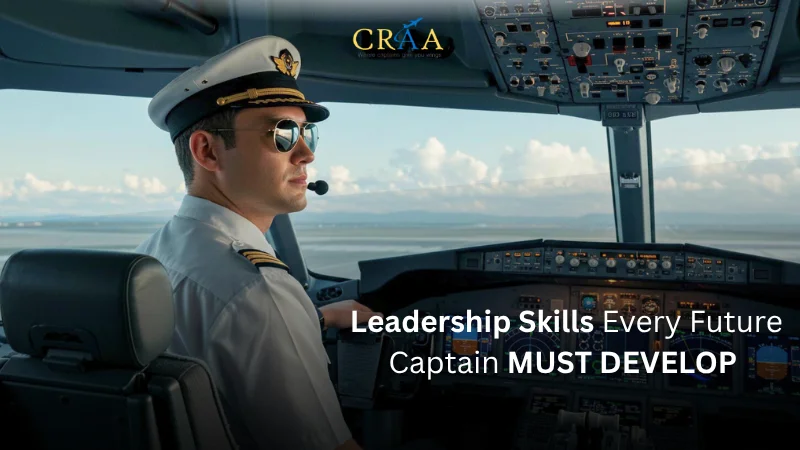
Leadership Skills Every Future Captain Must Develop
Here’s what nobody tells you when you search for “how to become a pilot”
You can log 200 hours and nail every checkride. You can memorize the entire AIM backwards. But the moment you upgrade to Captain, none of that saves you from the real test of leading humans at 35,000 feet. The real difference between a pilot and a captain is leadership skills. At Captain Aviation Academy, we constantly remind students that great captains are built through mindset, not just flying hours.
Explore Pilot Training in India; Start Developing These Leadership Skills Today.
1. Under Pressure Decision-Making
A captain usually doesn’t get much time to think. The weather can change suddenly, a system might fail, passengers may start to panic, and air traffic can become crowded. In moments like these, even a small delay in decision-making can be risky.
So a good captain needs to quickly understand what’s going on, choose the best option from the choices available, and be ready to take responsibility for that decision.
Technical skills help a pilot fly the aircraft. But leadership skills are what truly help a captain handle pressure and keep everyone safe.
This is why a reputed aviation academy in Mumbai doesn’t focus only on flying. They follow a structured training approach where you also go through real-life scenarios that help you build strong decision-making skills.
2. Communication That Keeps Everyone Aligned
The cockpit is actually a collaborative workplace. A captain is never working alone. They depend on many people around them — the first officer sitting beside them, flight attendants in the cabin, air traffic controllers guiding them from the ground, and even ground engineers who make sure the aircraft is ready to fly.
If communication between these people breaks down, things can quickly become unsafe.
A great captains focus a lot on communication. They make sure to speak clearly and confidently. Encourage the crew to share feedback. Listen carefully to what others are saying, and even during emergencies, they try to keep their communication calm and steady.
In aviation training, this approach is known as Crew Resource Management (CRM). Students who are doing pilot training in India learn that being the captain is not about dominating everyone in the cockpit. It’s about clarity, teamwork, and making sure everyone works together to keep the flight safe.
3. Situational Awareness
Flying an aircraft is more than just looking at instruments.
- Weather changes
- Aircraft performance
- Air traffic environment
- Behavior of crew members
- Condition of passengers
The ability is called situational awareness, and it’s one of the most underrated leadership traits in aviation.
Many accidents in aviation history occurred not because pilots lacked skills, but because they missed warning signs.
In our Captain Aviation Academy, we train students to think three steps ahead, because aviation rewards those who anticipate, not react.
4. Emotional Control in High-Stress Situations
Think about dealing with
- Turbulence over the ocean
- Medical emergencies onboard
- Technical system alerts
- Hundreds of anxious passengers
Cabin needs calm authority.
Strong aviation leaders develop
- Emotional discipline
- Mental resilience
- Stress management
In fact, airline recruiters prefer calm decision-makers over brilliant but unstable personalities. That’s why a good aviation academy in Mumbai focuses not only on knowledge but also on confidence building and psychological readiness.
Final Thought – Why is Leadership Skills Training so Important Early in the Career?
The best airline captains didn’t suddenly become leaders once they received their promotion. They were developing their skills before being promoted to captain.
At Captain Aviation Academy, our programs are designed to help students:
- Build aviation knowledge
- Prepare for DGCA exams
- Develop decision-making ability
- Strengthen leadership mindset
With over ten years of experience and a proven record of success, we will help you through one of the most significant journeys in your life. Becoming a pilot is not just a career, it is a responsibility. Start your journey with the right pilot training in India at Captain Aviation Academy.
FAQs
How long it take to become a captain after completing pilot training?
After completing pilot training, pilots are expected to serve as First Officers for several years before becoming captains. The timeline depends on flying hours and airline requirements.
Which academy is best for pilot training in India?
The top aviation academy should offer experienced instructors and strong DGCA preparation. Captain Aviation Academy is also known for its structured pilot training programs.
Is leadership training included in pilot training programs?
Yes. Most programs include leadership concepts such as Crew Resource Management (CRM), communication skills, and decision-making, because these are essential skills for future captains.